

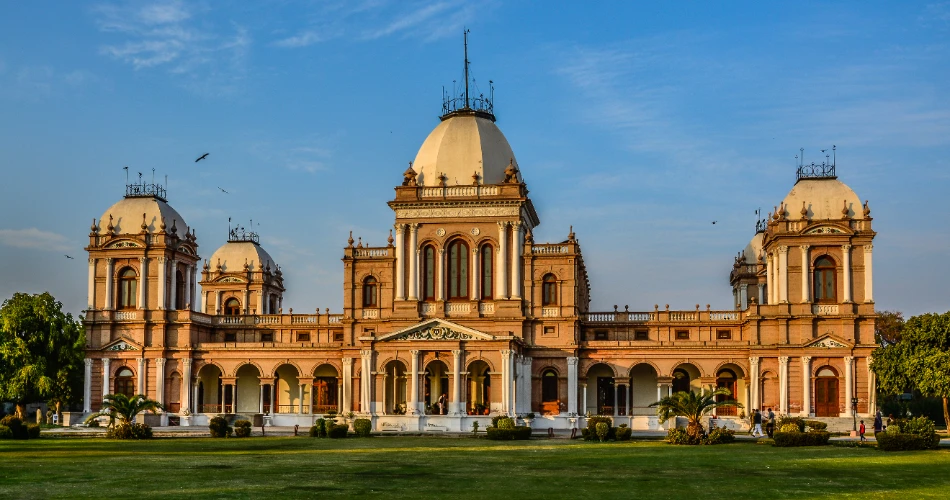
In the heart of Bahawalpur lies Noor Mahal, one of Pakistan’s most captivating architectural treasures. Known as the "Palace of Lights," Noor Mahal is a 19th-century royal residence that reflects the glory of the Bahawalpur State. The palace is admired for its stunning blend of European and subcontinental design, its immaculate preservation, and its deep connection to local history. Built during a time of great prosperity, Noor Mahal offers a rare glimpse into the opulent lifestyle of the Nawabs — the rulers of Bahawalpur. Today, it stands not just as a monument but as a symbol of cultural pride and heritage tourism in Pakistan. Whether you are a photographer, a student of history, or simply a traveler looking for unique places to visit, Noor Mahal provides an unforgettable experience. Its grandeur, both during daylight and under its glowing night lights, leaves every visitor enchanted.
The History of Noor Mahal
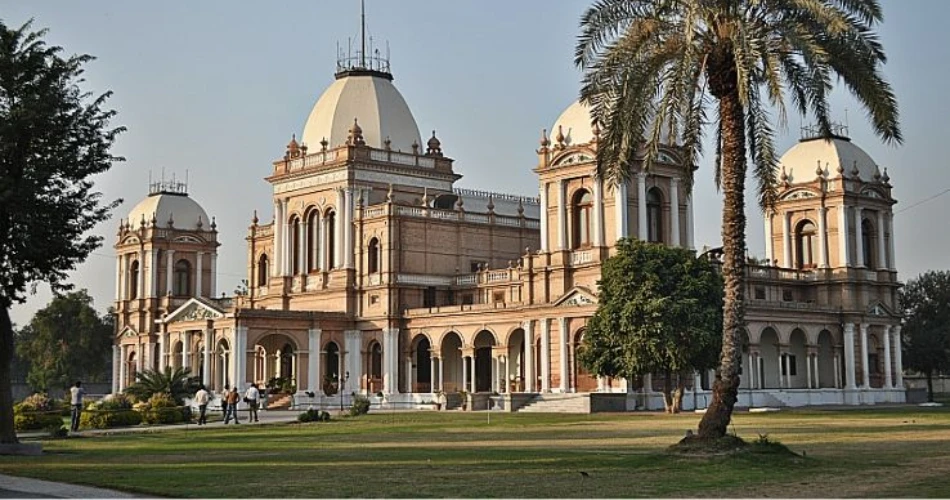
Noor Mahal was constructed in 1872 under the patronage of Nawab Sadiq Muhammad Khan IV, the visionary ruler of the Bahawalpur State. He wanted to create a royal palace that matched European standards of luxury while incorporating local cultural elements. Interestingly, the palace was rarely used as a residence. According to local stories, the Nawab’s wife spent only one night there before it was deemed unsuitable due to its proximity to the city graveyard — though this remains part of palace legend rather than documented fact.
Over time, the palace served various functions — as a royal guesthouse, a state office, and later, under the care of the Pakistan Army, as a preserved heritage site open to the public. Today, Noor Mahal’s history attracts researchers, tourists, and heritage lovers. The palace embodies the sophistication of Bahawalpur’s Nawabs and reflects how princely states sought to combine traditional identity with Western architectural influences during the colonial era.
Architectural Highlights of Noor Mahal
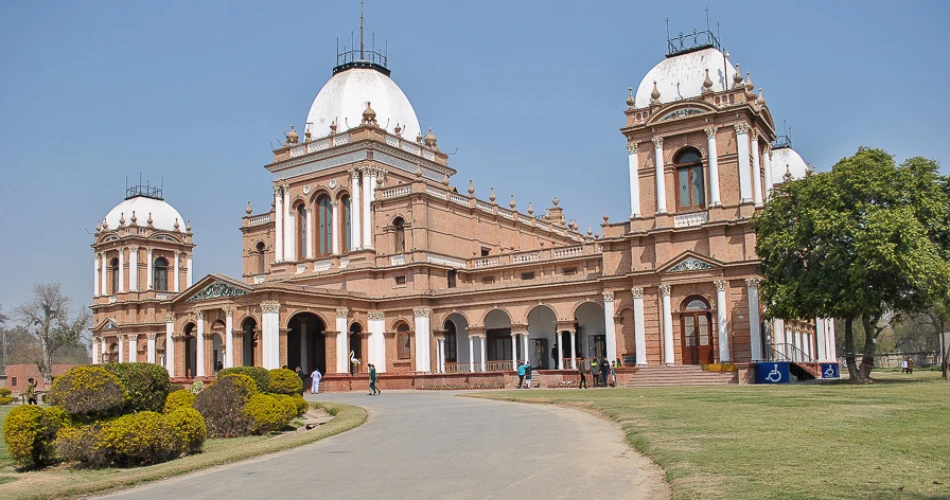
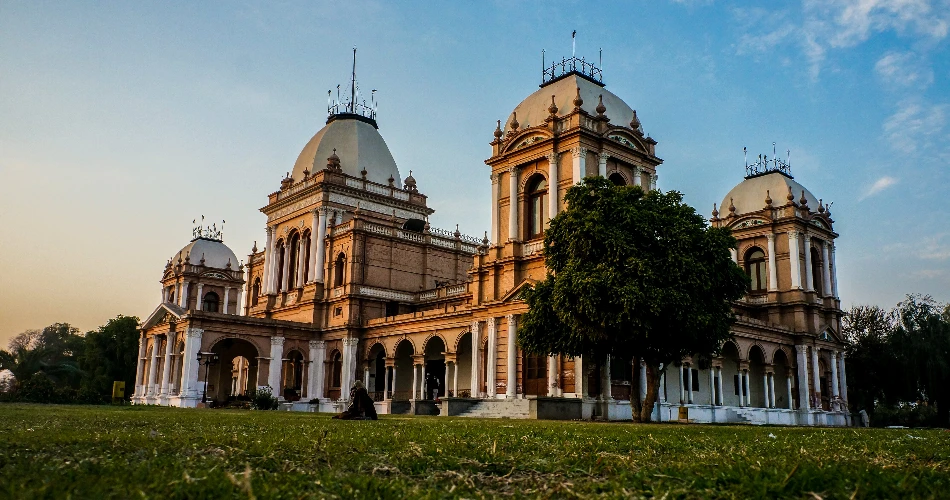
Noor Mahal’s design is a fusion of Italian Renaissance, Corinthian, and subcontinental styles, making it an architectural gem in Pakistan. Its symmetry, white exterior, and decorative elements give it a palace-like grace rarely seen in the region. The building consists of 32 rooms, 6 verandas, and 5 domes — each contributing to its balanced and majestic layout. The central dome, supported by Corinthian columns, dominates the façade, while smaller domes and arches add ornamental beauty.
Inside, the Durbar Hall showcases chandeliers, European-style furniture, and royal artifacts, giving visitors a direct link to the Nawabs’ lavish lifestyle. Walls are adorned with portraits, intricate moldings, and antique décor. Outside, the palace grounds feature meticulously landscaped gardens perfect for evening walks, photography, or small cultural gatherings. Every angle of Noor Mahal — from its marble flooring to its elaborate cornices — highlights meticulous craftsmanship. The building’s preservation by the Pakistan Army ensures visitors can still enjoy its original charm, nearly 150 years later.
Why Visit Noor Mahal?
Visiting Noor Mahal Bahawalpur is not just about seeing a palace — it’s about stepping into a royal narrative frozen in time. This landmark allows travelers to immerse themselves in the era of princely states and understand how Bahawalpur’s rulers balanced tradition with modernity.
For history lovers, Noor Mahal provides insight into the political and cultural significance of the Nawabs. Architecture enthusiasts will appreciate its European features combined with subtle Mughal influences. Photographers will find countless opportunities to capture its beauty, especially at night when the palace is illuminated. Families and students also benefit from educational tours and displays of antiques and artifacts.
Moreover, Noor Mahal’s central location in Bahawalpur makes it easy to include in a city itinerary. Nearby attractions like Darbar Mahal, Bahawalpur Museum, and Lal Suhanra National Park complement the visit. Whether you are local or traveling from abroad, Noor Mahal offers a rich, multifaceted experience.
Visiting Noor Mahal: Timings, Tickets, and Tips
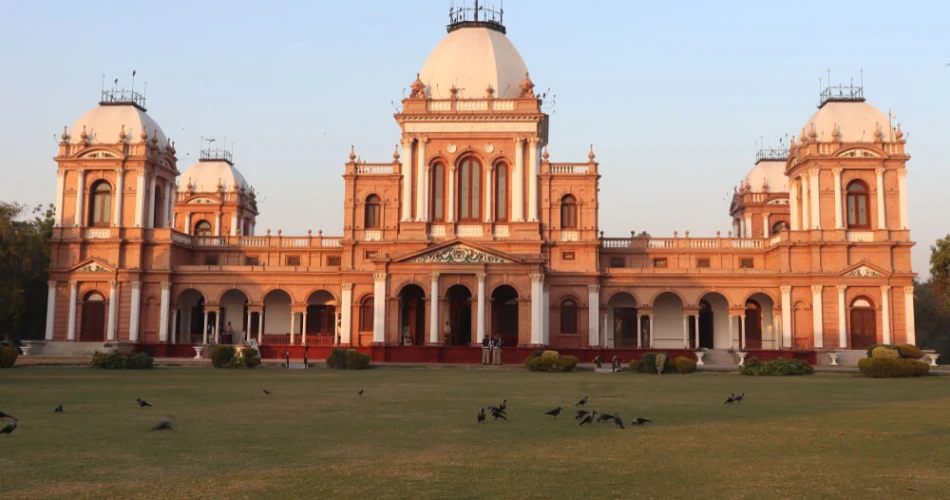
Noor Mahal is open throughout the week, usually from 9:00 AM to 10:00 PM, although timings may vary on holidays or during official events. The entry ticket is affordable, with different rates for local and foreign visitors. Children may enter free or at discounted rates, making it an ideal family destination.
When planning your visit, consider going in the late afternoon. You can tour the interior during daylight and then enjoy the magical evening lighting outside. Wear comfortable shoes as you’ll want to walk around the palace grounds and gardens. Photography is allowed, so bring a good camera to capture its fine details.
If you’re unfamiliar with its history, guided tours are highly recommended. Local guides provide fascinating anecdotes about Nawab life, palace architecture, and restoration efforts. Bahawalpur can get quite hot, so morning or evening visits are best, especially in summer. Finally, respect palace rules by staying within visitor areas and avoiding littering to help preserve its beauty.
Noor Mahal at Night: A Magical Experience
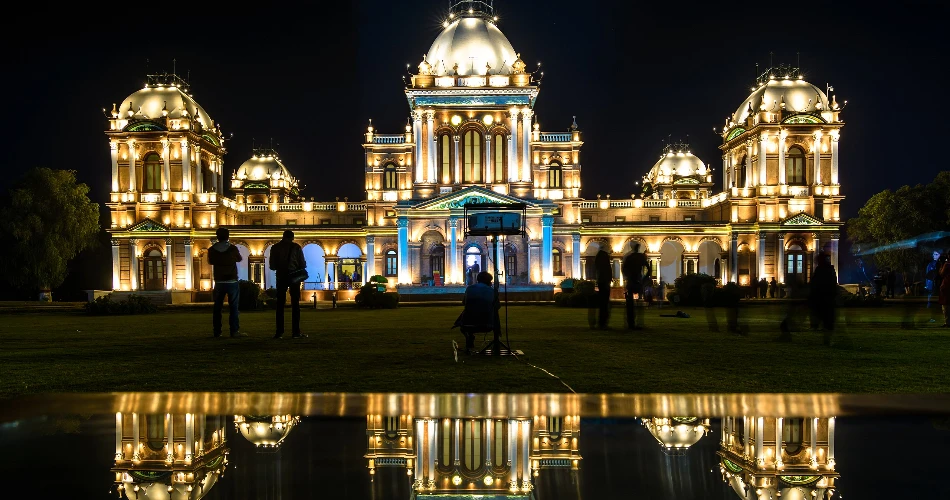
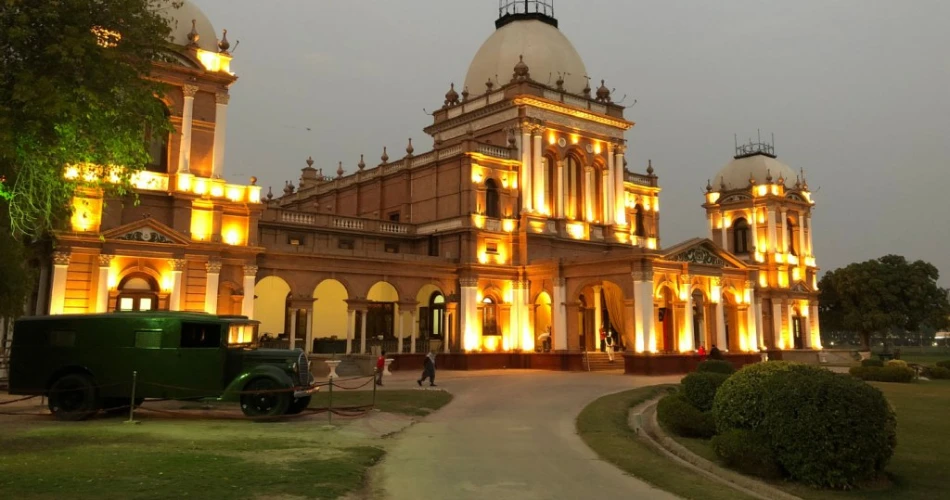
If Noor Mahal is breathtaking during the day, it’s absolutely enchanting at night. The entire palace is illuminated with warm golden lights that highlight its domes, arches, and pillars. This glowing façade earns it the title "Palace of Lights." Evening visitors often describe it as stepping into a royal dreamscape.
Nighttime tours and photo sessions are particularly popular, with the palace serving as an iconic backdrop for events and cultural shows. Many travelers plan their visit specifically to witness Noor Mahal after sunset, when its elegance and symmetry stand out against the dark Bahawalpur sky. Whether you are capturing photographs for personal memories or professional work, the evening glow provides stunning results.
This magical setting also makes Noor Mahal a favorite spot for heritage lovers and newlyweds, as the beautifully lit gardens create an unforgettable ambiance. Don’t miss this experience — it’s when Noor Mahal truly lives up to its name.
How to Reach Noor Mahal
Bahawalpur is well-connected to major Pakistani cities by air, road, and rail. If you’re flying, Bahawalpur Airport offers flights from Karachi, Lahore, and Islamabad. From the airport, Noor Mahal is just a short drive away.
Travelers coming from nearby cities like Multan (about 90 km) can take buses, vans, or private cars for a convenient road trip. The Bahawalpur Railway Station, located within the city, also provides direct train connections from other regions. Local transport options such as rickshaws and ride-hailing services make it easy to reach the palace once you’re in Bahawalpur.
The palace’s central location means you can combine your visit with nearby attractions. A single-day itinerary could include Noor Mahal, Darbar Mahal, and Bahawalpur Museum, giving you a full taste of the city’s royal history and vibrant culture.
Nearby Dining and Shopping
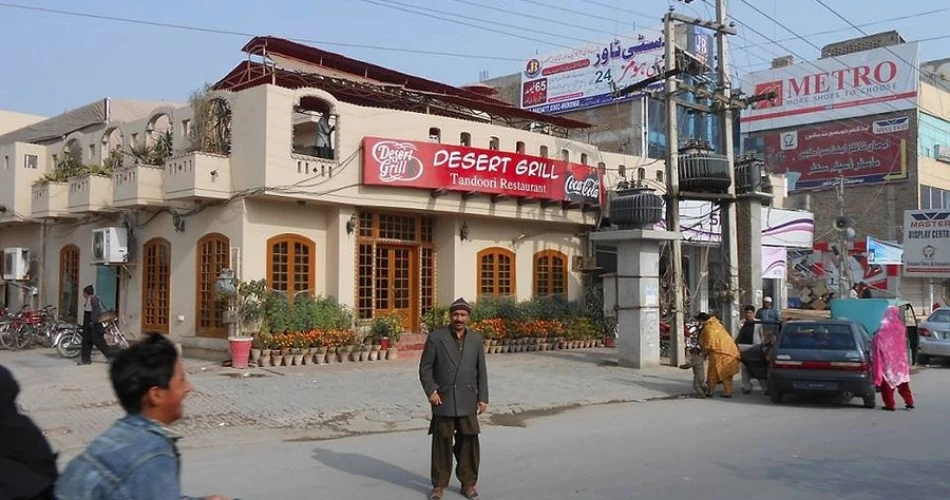
After exploring Noor Mahal, you can enjoy Bahawalpur’s rich culinary offerings. The city is famous for traditional Punjabi and Saraiki dishes such as karahi, kebabs, biryani, and halwa. Several local restaurants are located near Noor Mahal, offering authentic flavors at affordable prices.
For those looking for lighter meals or coffee breaks, Bahawalpur has modern cafés that combine comfortable seating with quick service. Shoppers will also find handicrafts, embroidered fabrics, and pottery in nearby bazaars, perfect as souvenirs.
Whether you’re indulging in a hearty traditional meal or picking up hand-woven gifts, these local experiences add to the charm of visiting Noor Mahal. Exploring Bahawalpur’s food and craft scene completes the cultural journey and provides a glimpse into the region’s artistry and hospitality.
Preserving Noor Mahal: Heritage Conservation
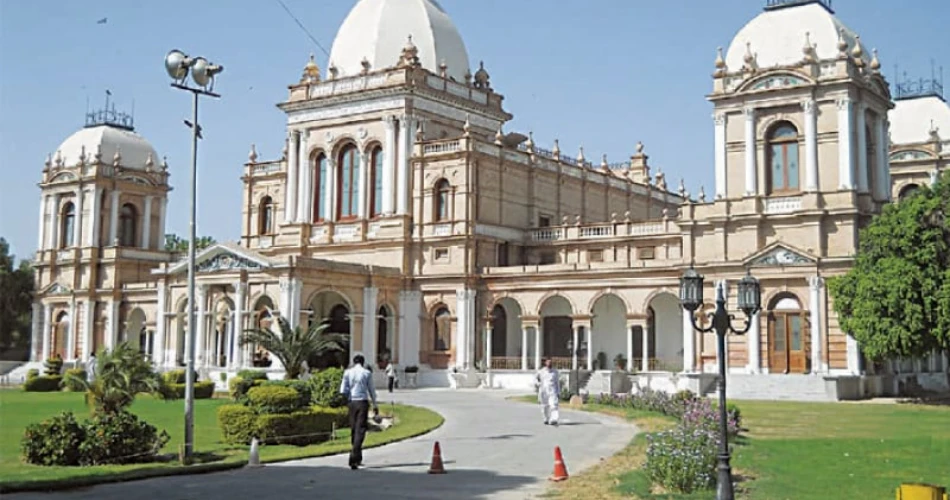
One of Noor Mahal’s greatest strengths is its excellent preservation. Under the supervision of the Pakistan Army, the palace has undergone careful restoration to maintain its original architectural beauty. Regular upkeep ensures that the structure remains in pristine condition for future generations.
Visitors play a crucial role in protecting this heritage site. By respecting palace guidelines, avoiding damage to interiors, and supporting heritage tourism, travelers contribute to its preservation. Educational programs and cultural events also help raise awareness about the value of historical landmarks.
Conservation efforts ensure that Noor Mahal remains not just a relic of the past but a living testament to Pakistan’s cultural wealth. Every visit supports these efforts, encouraging the continued maintenance of Bahawalpur’s royal legacy.
Final Thoughts
Noor Mahal Bahawalpur is more than just a palace — it’s a symbol of royal heritage, timeless architecture, and cultural pride. From its fascinating history to its breathtaking design, every aspect of Noor Mahal leaves a lasting impression. Whether you’re exploring Pakistan as a tourist or discovering your own country’s treasures, this palace offers an experience that combines education, beauty, and inspiration.
Don’t miss the chance to stroll through its grand halls, admire its evening glow, and learn about the Nawabs who shaped Bahawalpur’s history. Noor Mahal is not only one of the finest landmarks in Punjab but also a crown jewel of South Asian heritage.