

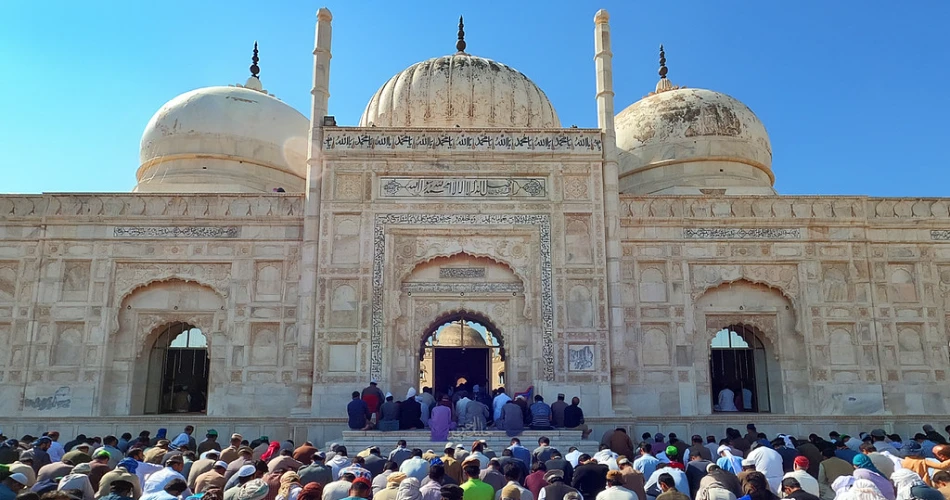
Deep within the Cholistan Desert of Punjab, Pakistan, stand two monuments of timeless grandeur: Derawar Fort and Abbasi Mosque. These landmarks embody the history and culture of Bahawalpur’s royal Abbasi dynasty. The fort’s colossal bastions rise from the sands as a reminder of power and defense, while the mosque’s white marble domes shine as a symbol of faith and artistry.
A visit to these sites is more than sightseeing—it is an immersive experience. You walk through stories of trade routes, royal courts, military campaigns, and Islamic devotion. For history enthusiasts, architects, and adventure seekers, these desert gems offer an unparalleled glimpse into Pakistan’s rich heritage and architectural brilliance.
The Majestic Derawar Fort: A Desert Citadel
Origins and Architectural Grandeur
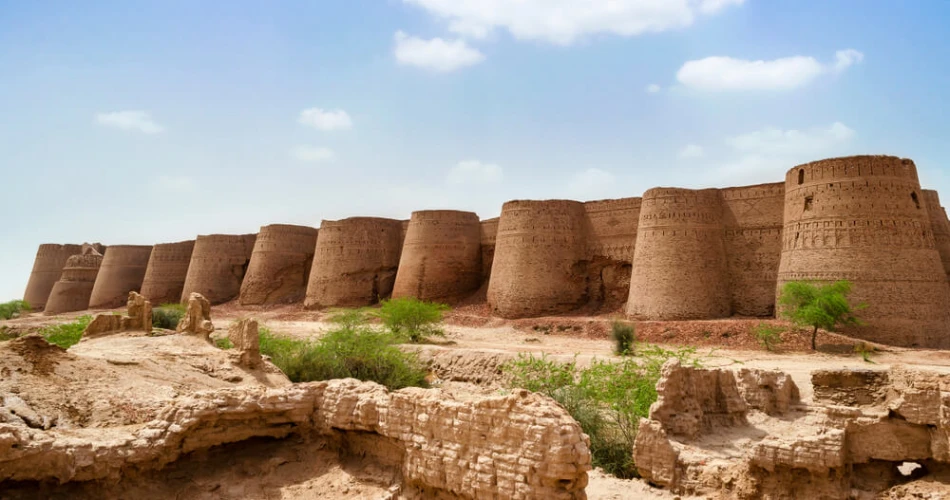
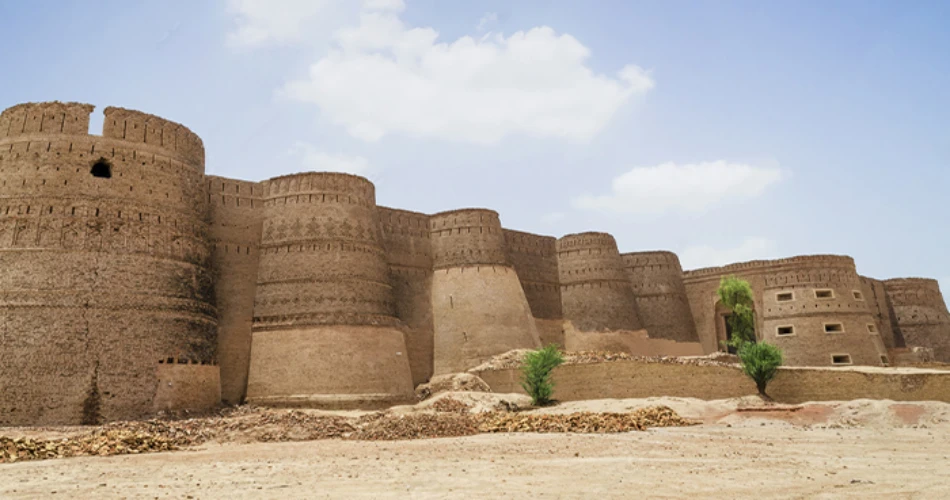
Derawar Fort was first built in the 9th century by Hindu Rajput rulers, later captured and reconstructed by the Abbasi Nawabs of Bahawalpur in 1733. The fort’s square layout is defined by 40 enormous bastions, each standing nearly 30 meters high. These walls, made of baked bricks, dominate the barren desert landscape, visible from miles away.
The fort was more than just a military stronghold. Inside were royal living quarters, administrative halls, armories, and storage chambers for grain and weapons. The sheer size and defensive strength of Derawar Fort made it critical for protecting trade caravans traveling from India to Central Asia. Even though many internal structures are in ruins today, the fort’s imposing scale and symmetry still captivate visitors and photographers.
The Elegant Abbasi Mosque: A Desert Jewel
A Symbol of Faith and Royal Patronage
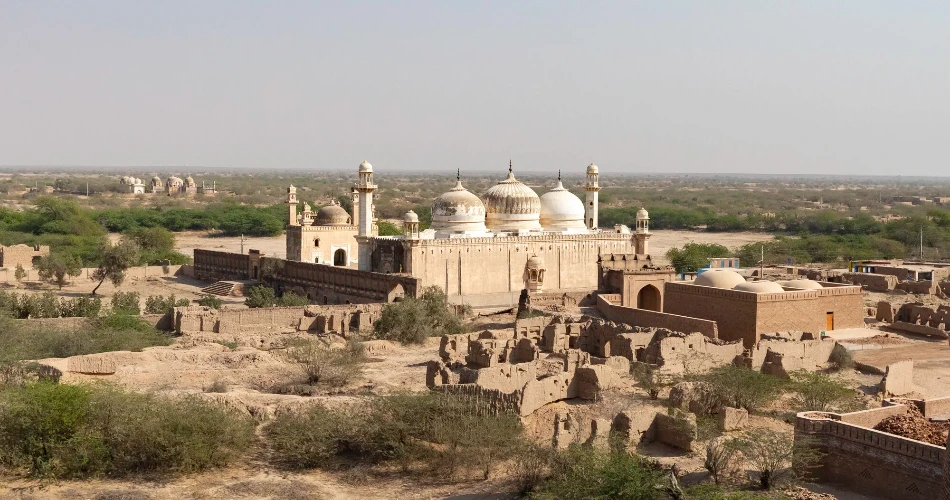
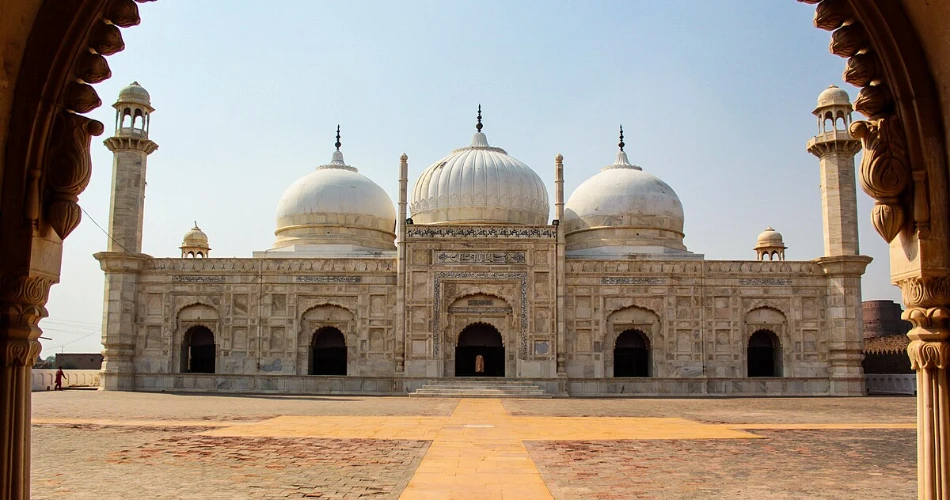
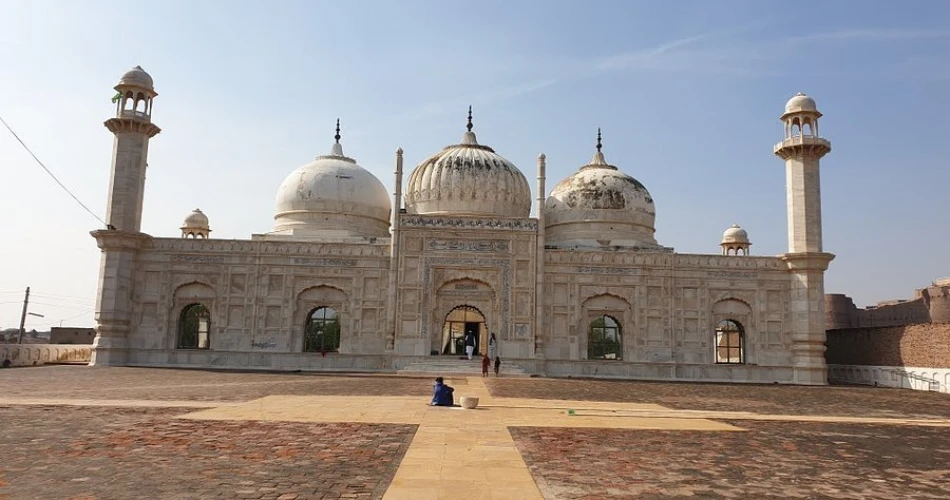
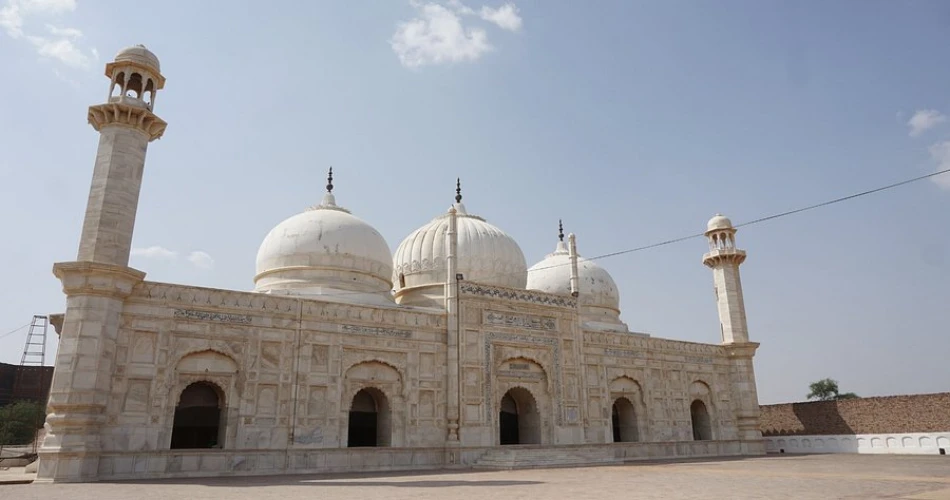
Located a short distance from the fort, Abbasi Mosque was commissioned in 1849 by Nawab Bahawal Khan. Built entirely of white marble, its design is often compared to Delhi’s Jama Masjid due to its three grand domes and elegant minarets. The mosque’s immaculate surface glows in the desert sun, offering a peaceful contrast to the rugged walls of Derawar Fort.
Inside, the mosque showcases refined Islamic craftsmanship. Intricate calligraphy, geometric patterns, and polished marble floors create an atmosphere of calm and spirituality. Unlike the fort, which bears signs of erosion, the mosque has been carefully maintained and remains functional, hosting prayers and attracting travelers seeking serenity in the heart of the Cholistan Desert.
Historical Significance of the Abbasi Dynasty
The Abbasi Nawabs of Bahawalpur ruled the region for over two centuries, leaving behind remarkable contributions in governance, infrastructure, and art. Derawar Fort was their desert stronghold, while Abbasi Mosque reflected their devotion to Islam. The dynasty’s wealth came from trade and alliances, enabling them to build monumental structures like these.
Their legacy also extended to supporting education and preserving culture. By constructing forts and mosques, they ensured that faith, security, and royal authority were deeply intertwined. Today, these monuments remain living reminders of a dynasty that combined military strength with religious patronage.
Location and Accessibility: How to Reach
Derawar Fort and Abbasi Mosque lie 100 km from Bahawalpur city, in Ahmedpur East Tehsil. The journey takes about two to three hours by car, depending on road conditions. Since the last part of the route crosses sandy tracks, 4x4 vehicles or jeeps are recommended.
From Bahawalpur: Hire private transport or join a guided tour.
By Air: Fly to Bahawalpur Airport, then drive to the fort.
Navigation: Use GPS or hire a local driver familiar with the desert terrain. Public transport options are limited, making private arrangements more reliable and comfortable.
Best Time to Visit: Weather and Festivals
The winter season (November to February) is the most suitable time to visit. During these months, temperatures range between 10°C to 25°C, perfect for daytime exploration. The summer months (April to August) can be extremely hot, with temperatures exceeding 45°C, making travel risky.
If you visit in February, you can experience the Cholistan Jeep Rally, a popular event that transforms the desert into a cultural and sporting festival. This annual rally attracts visitors from across Pakistan and abroad, offering jeep races, camel rides, and displays of local crafts and music.
Travel Tips for an Unforgettable Visit
Traveling to Derawar Fort and Abbasi Mosque is rewarding but requires preparation:
Pack essentials: Bring plenty of water, snacks, hats, sunglasses, and sunscreen.
Wear light clothing: Comfortable attire helps with walking in sandy conditions.
Hire a guide: Local guides share fascinating stories and ensure you don’t miss hidden details.
Best photography time: Early mornings and sunsets provide golden light perfect for capturing the fort’s walls and mosque’s marble.
Respect the heritage: Avoid climbing or damaging fragile areas of these monuments.
Safety first: Inform someone about your travel plan as mobile signals are weak in remote areas.
Exploring the Surrounding Cholistan Desert
The Cholistan Desert, locally known as Rohi, offers much more beyond Derawar Fort and Abbasi Mosque. Once part of an ancient trade corridor, the desert is dotted with the remains of several smaller forts, including Marot, Phulra, and Jamgarh.
Travelers can also encounter nomadic tribes who live traditionally, raising camels and crafting beautiful handmade goods such as rugs and jewelry. Visiting these villages provides a unique cultural experience and a chance to purchase authentic Cholistan handicrafts. Sufi shrines scattered across the desert reflect centuries of spiritual tradition. Jeep safaris, camel rides, and desert camping add adventure to your trip, creating memories of the vast, star-lit desert sky.
Architectural Comparisons and Influence
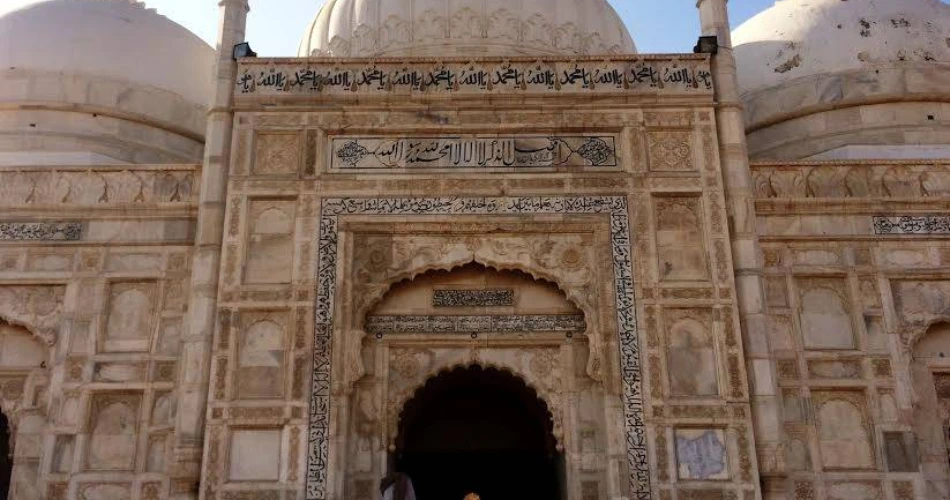
Derawar Fort reflects Rajput and Islamic military architecture, with its massive defensive walls and square layout. Its bastions resemble forts in Rajasthan, highlighting cross-cultural exchanges during medieval times. The Abbasi Mosque, on the other hand, demonstrates Mughal-inspired Islamic architecture, similar to Jama Masjid and Badshahi Mosque, with its domes, arches, and minarets emphasizing symmetry and grandeur.
Together, these monuments showcase how the Nawabs combined strength and spirituality, drawing from multiple architectural traditions to create a legacy that still stands proudly in Pakistan’s cultural landscape.
Conclusion
Derawar Fort and Abbasi Mosque are more than historic sites—they are living chronicles of Bahawalpur’s royal past and the resilience of desert architecture. The fort’s towering bastions narrate stories of power, defense, and trade, while the mosque’s marble domes shine as symbols of devotion and artistry.
For travelers seeking history, photography, or adventure, these monuments offer an unforgettable experience. With the added beauty of the Cholistan Desert and its cultural richness, a trip here is not only educational but deeply inspiring. Visiting Derawar Fort and Abbasi Mosque is a step back in time—an exploration of heritage where sand, stone, and faith meet in perfect harmony.