

Located about 35 kilometers east of Bahawalpur city, Lal Suhanra National Park is a breathtaking ecological reserve that stands out as one of South Asia’s most unique protected areas. Spanning over 12,000 hectares, it blends three distinct landscapes: lush green forests, golden desert dunes, and freshwater/wetland habitats. This rare combination makes it a biodiversity hotspot and an ideal destination for travelers seeking both adventure and serenity.
The park is not just a visual treat but also an educational experience, offering opportunities to observe wildlife in their natural habitat, learn about local ecosystems, and explore Pakistan’s conservation efforts firsthand. Tourists, nature lovers, researchers, and photographers find it equally captivating. If you’re planning a trip to Bahawalpur or simply want to experience one of Pakistan’s ecological treasures, visiting Lal Suhanra National Park should be at the top of your list. It’s a destination where natural beauty meets cultural heritage and environmental awareness.
Why Visit Lal Suhanra National Park?
Lal Suhanra National Park is more than just a tourist spot—it is a living, breathing sanctuary that tells the story of Pakistan’s rich natural heritage. First established in 1972, the park has earned recognition as a UNESCO Biosphere Reserve because of its efforts in environmental preservation. Its unique setting features desert terrain (about 51% of the park), irrigated plantations (about 20%), and wetland areas (about 29%), creating a variety of habitats for flora and fauna.
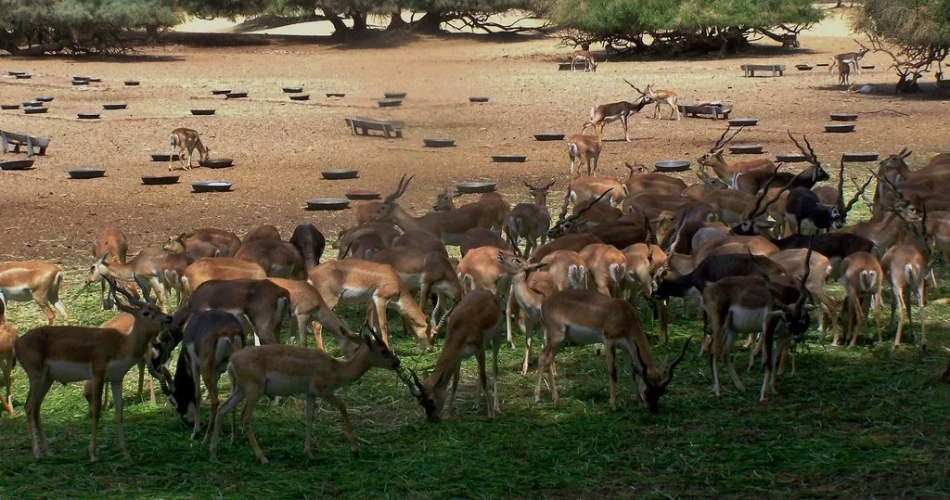
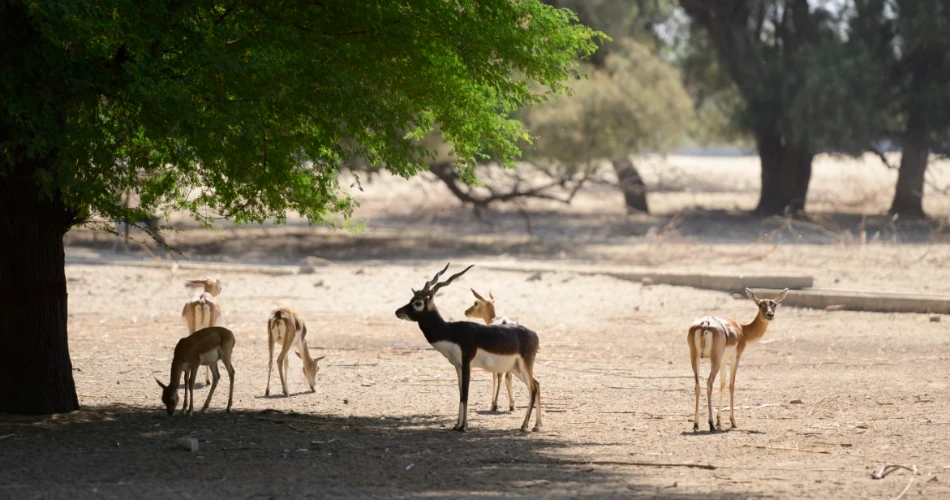
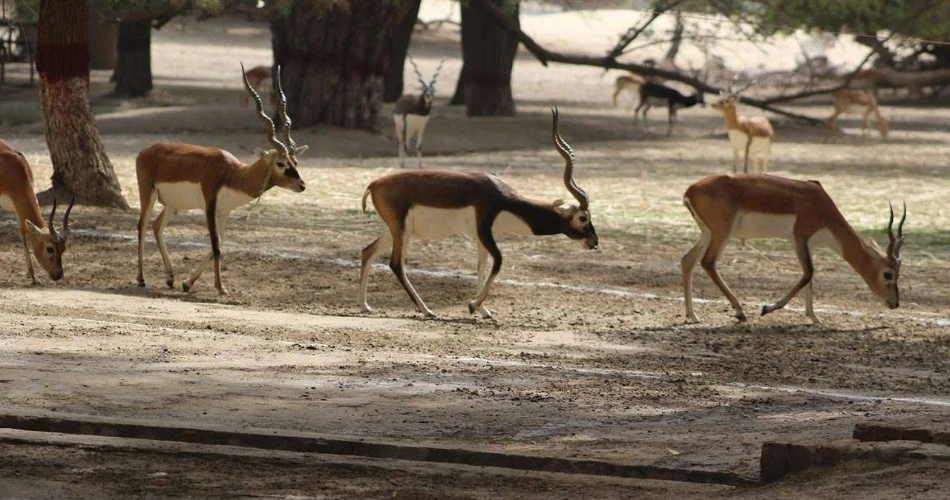
The park’s wildlife diversity is remarkable. You’ll find rare and endangered species such as blackbucks, chinkara gazelles, wild boars, desert foxes, and jackals. The wetlands also attract hundreds of migratory bird species, making it a prime birdwatching site. Beyond wildlife, the park offers a peaceful retreat for families, school groups, and solo travelers seeking fresh air and open landscapes. In addition, it highlights Pakistan’s conservation efforts, educating visitors about the importance of protecting natural resources for future generations.
Essential Highlights & Things to Do
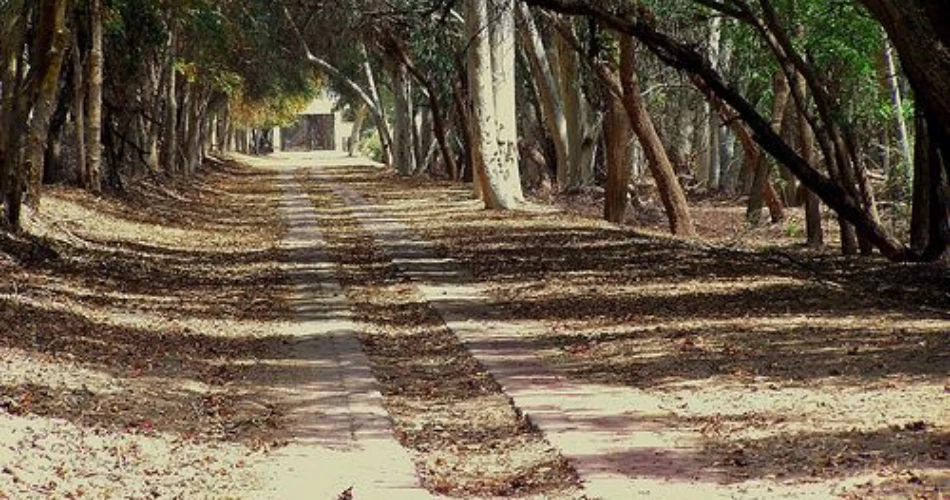
A trip to Lal Suhanra National Park is full of activities suited for different interests. One of the top experiences is wildlife safaris—either in a guided jeep or on foot—where you can explore desert dunes, forest trails, and wetland banks. Rangers often lead visitors to prime viewing points for spotting animals in the early morning or late afternoon.
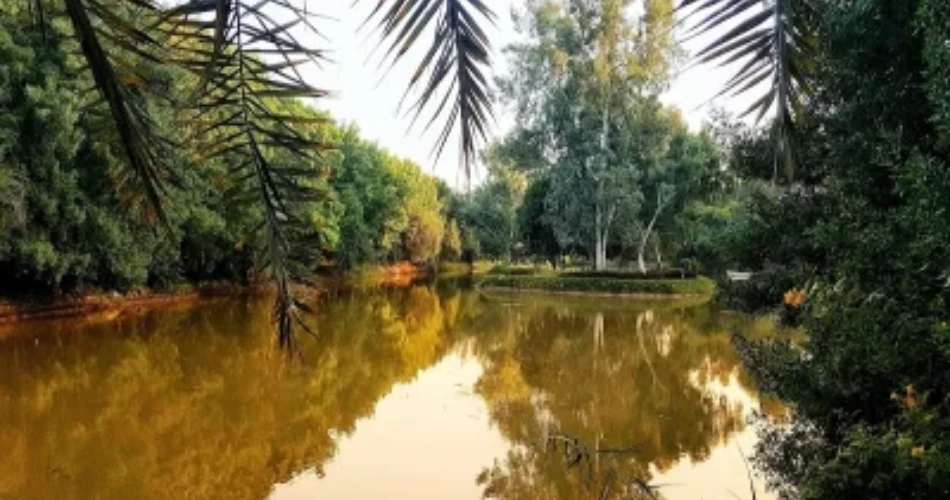
Birdwatching is another major attraction. During winter, migratory birds such as pelicans, storks, herons, and eagles flock to the park’s lakes, making it a paradise for photographers and nature lovers. Eco-lodges and designated camping sites are available for travelers who want an immersive overnight experience under clear desert skies.
Visitors can also explore educational programs, learning about reforestation, blackbuck breeding projects, and sustainable land management. Families can enjoy picnic spots, walking trails, and boating areas within certain sections of the park. Each activity deepens your connection with nature while ensuring a memorable visit.
Travel Planning & Tips
Best Time to Visit – The ideal months are November to March, when daytime temperatures are mild (15°C to 25°C). Summers can reach 45°C or higher, so winter offers a safer and more enjoyable experience.
Getting There – The park is about 30–35 km from Bahawalpur. Visitors can travel by private car, taxi, or local transport. Bahawalpur itself is accessible via flights from Karachi, Lahore, or Islamabad, and by road or rail from other cities in Punjab.
Entry & Permits – The park has a nominal entry fee. Hiring a local guide is recommended for navigating large areas and maximizing your wildlife encounters.
Packing Essentials – Carry sun protection (hats, sunscreen, sunglasses), binoculars, cameras, insect repellent, and plenty of drinking water. Wear light clothing during the day and keep an extra layer for cool evenings. Comfortable shoes are essential for walking trails.
Stay Options – Bahawalpur offers good hotels, while basic eco-lodges and guest houses near the park provide closer access. Always book in advance, especially during tourist seasons.
Conservation Impact & Community
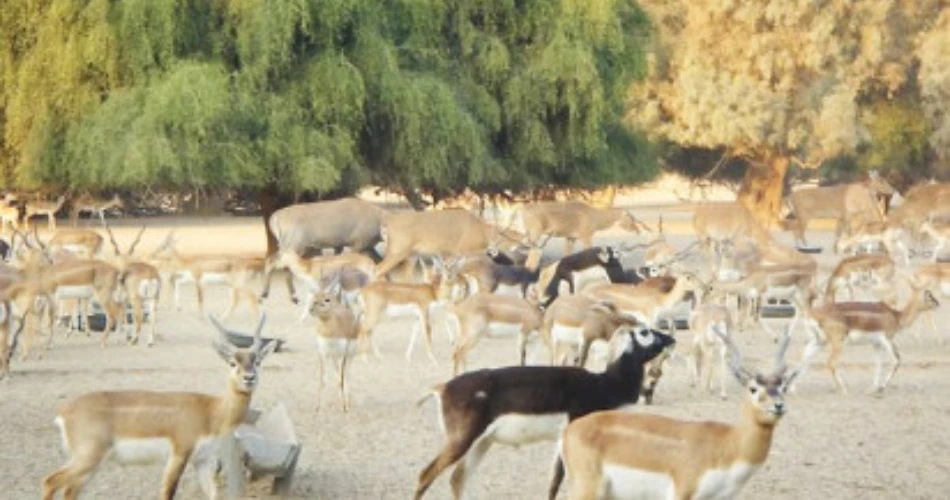
Lal Suhanra National Park is a model for conservation efforts in Pakistan. Decades ago, wildlife populations—particularly blackbucks and chinkara gazelles—were under severe threat from habitat loss and hunting. Through strict protection, breeding programs, and reforestation initiatives, these species have made a remarkable recovery.
The park is also an educational hub, teaching visitors about sustainable land use, anti-poaching measures, and ecosystem restoration. The wetlands provide a safe stopover for migratory birds traveling thousands of kilometers along the Central Asian Flyway, contributing to international biodiversity conservation.
Additionally, the park supports local communities by creating employment opportunities as rangers, guides, and eco-tourism staff. Visitors help fund these programs through entry fees and guided tour bookings. When you visit Lal Suhanra National Park, you’re not just exploring nature—you’re contributing directly to preserving endangered species and supporting the livelihoods of people who protect this extraordinary landscape.
Actionable Tips for Visitors
To get the most out of your trip, consider these practical recommendations:
Book a guided tour early – Local guides know the best times and places to see wildlife, making your visit more rewarding.
Visit early in the morning or late afternoon – Wildlife is more active during cooler hours, and the lighting is perfect for photography.
Bring cash for entry fees – Some locations may not have card facilities, especially near remote park entrances.
Stay for at least a full day – Half-day trips are possible, but spending more time allows deeper exploration and better chances to see rare species.
Follow park rules strictly – Do not feed animals, leave trash behind, or stray from designated paths, as this disrupts wildlife habitats.
By following these tips, you ensure a safer, more enjoyable experience while helping to keep the park pristine. Every responsible action taken by visitors supports the continued preservation of Lal Suhanra National Park.
Conclusion
Lal Suhanra National Park is truly one of Pakistan’s natural crown jewels. With its blend of desert landscapes, forested patches, and wetland ecosystems, the park offers a rare ecological diversity unmatched anywhere else in the country. Visitors are treated to sightings of iconic wildlife, breathtaking scenery, and educational encounters that underscore the value of conservation.
Whether you’re an avid birdwatcher, a family on holiday, a nature photographer, or simply curious about exploring a different side of Punjab, this park delivers an unforgettable experience. By traveling here, you not only enrich your own understanding of Pakistan’s natural heritage but also contribute to protecting it for generations to come.