

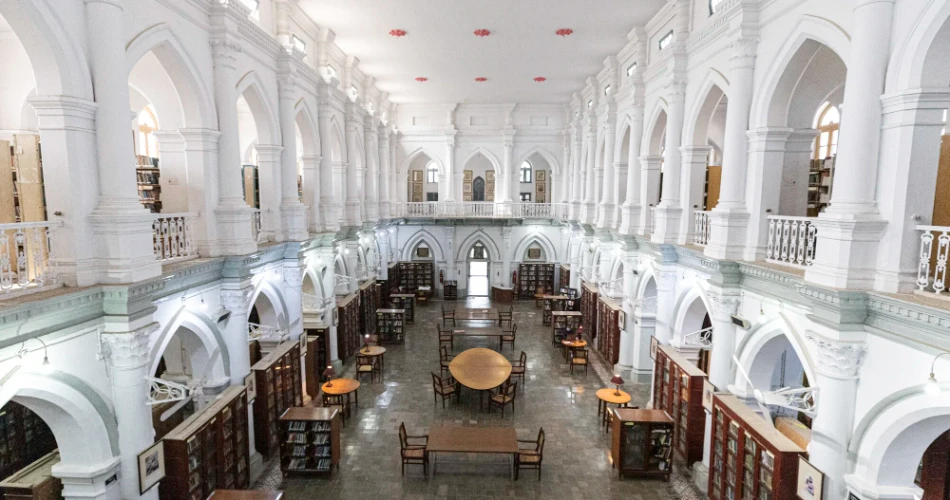
Bahawalpur, one of Punjab’s historic cities, is known for its palaces, forts, and cultural richness. Among its many attractions, the Bahawalpur Museum and the Central Library Bahawalpur stand as testaments to the region’s dedication to preserving both its history and its literary traditions. These two landmarks complement each other beautifully: the museum showcases centuries of material heritage, while the library holds a wealth of written knowledge and research resources. Together, they reflect Bahawalpur’s unique role as a center of learning, culture, and history in southern Punjab.
For travelers, these sites offer much more than just sightseeing—they provide an opportunity to connect deeply with Pakistan’s artistic, intellectual, and historical identity. Whether you’re passionate about ancient civilizations, love exploring Islamic art, or are searching for rare books and manuscripts, these two destinations should be at the top of your itinerary when visiting Bahawalpur.
Bahawalpur Museum – A Window to the Past
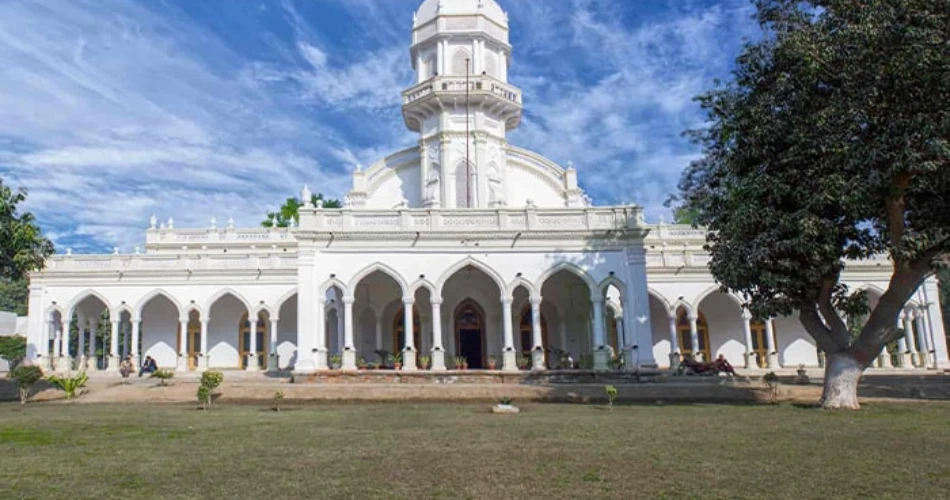
The Bahawalpur Museum, established in 1974, serves as a bridge between Pakistan’s present and its deep-rooted history. It is regarded as one of the country’s best-curated museums, presenting everything from prehistoric artifacts to Islamic calligraphy and relics of the Bahawalpur royal state. Built under the patronage of local leadership and maintained by the Punjab government, the museum’s mission is to collect, preserve, and display objects that tell the story of this culturally rich region.
The museum features eight specialized galleries, each offering a detailed narrative. The Islamic Gallery displays manuscripts of the Holy Qur’an, rare calligraphy, and Islamic coins. The Ethnological Gallery depicts the traditions of Cholistan Desert tribes through jewelry, crafts, and costumes. The Arms Gallery showcases weaponry such as swords and muskets from the Nawabs’ rule. The Archaeological Gallery holds artifacts from the Indus Valley and Gandhara civilizations, while the Numismatic Gallery offers coins from ancient to modern times. The Historical Gallery preserves photographs and relics of the Nawabs, and the Modern Gallery traces cultural development after Pakistan’s independence.
The building itself combines traditional Islamic elements with modern design, creating a serene yet monumental space for visitors. The museum is also an educational hub, frequently hosting school tours and cultural events, ensuring that the new generation learns to value their heritage. Visiting this museum feels like walking through centuries of history, where every artifact has a story waiting to be discovered.
Central Library Bahawalpur – A Hub of Knowledge
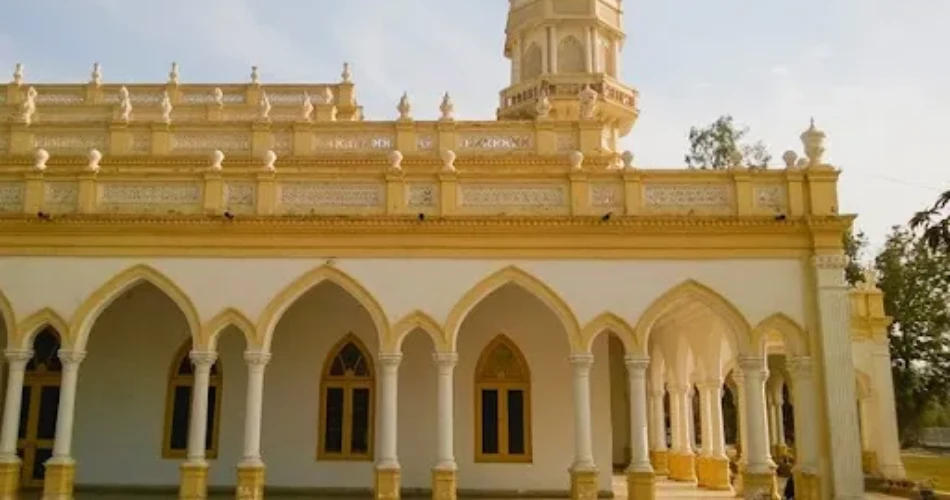
The Central Library Bahawalpur, established in 1924 during the reign of Nawab Sir Sadiq Muhammad Khan V, is not only one of the oldest libraries in Pakistan but also among the most beautiful. Designed in a blend of Mughal and Victorian styles, the building is a masterpiece in itself, with large domes, intricate woodwork, and classic arches. This architectural marvel reflects the royal elegance of the Bahawalpur State while serving a highly practical purpose as a center for education and research.
The library contains over 100,000 books, including rare manuscripts and historical records dating back to the early 20th century. It is particularly strong in Islamic studies, Urdu and Persian literature, history, and scientific works. The library also maintains archives of newspapers and official records, offering invaluable resources to researchers studying the region’s cultural and political evolution. Its spacious reading halls provide a peaceful environment for students and academics, while ongoing digitization projects are making its treasures more accessible.
Beyond being a repository of books, the library is a symbol of intellectual pride for Bahawalpur. It has supported generations of scholars and continues to play a vital role in promoting literacy and research. Its staff are known for being helpful and dedicated, assisting visitors in locating valuable resources. For any traveler or student with an interest in history, literature, or architecture, this library is a destination worth spending several hours exploring.
The Cultural Significance of Both Landmarks
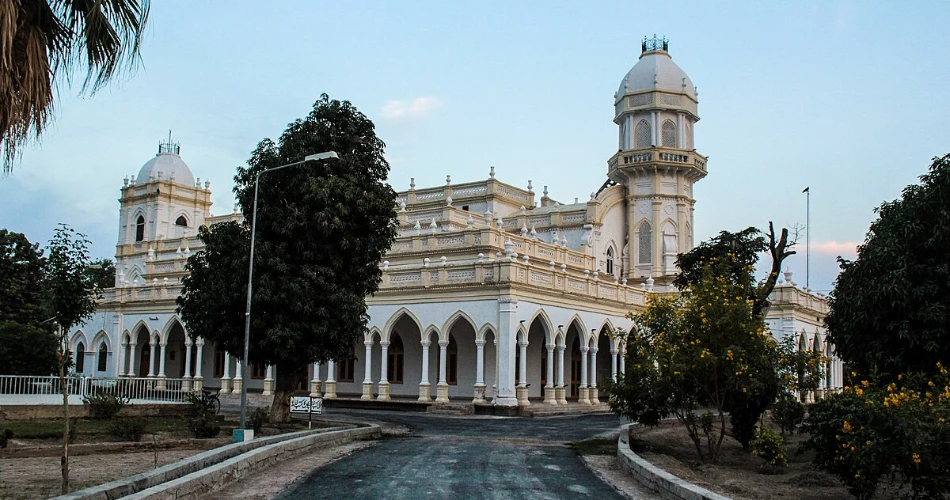
Together, the Bahawalpur Museum and Central Library represent two vital pillars of cultural preservation: tangible heritage and intellectual heritage. The museum safeguards physical artifacts—coins, weapons, manuscripts, textiles—while the library protects written knowledge and research materials. Their combined existence in the heart of Bahawalpur reflects the city’s historical role as a forward-thinking state, where rulers invested heavily in education, literature, and the arts.
These landmarks also hold national importance, as they document periods of history that are not widely represented elsewhere. The museum’s galleries shed light on the unique culture of southern Punjab and the Cholistan Desert, while the library houses manuscripts and documents that cannot be found in any other archive. Together, they foster civic pride among locals and enhance Bahawalpur’s reputation as a city of culture and learning.
For tourists, this means a richer, more meaningful experience. Instead of just viewing palaces and forts, travelers gain insight into the intellectual and artistic achievements of the region. Schools frequently arrange visits to both places to teach students about their heritage, proving that these institutions are not simply preserved monuments but active educational resources. Their cultural significance extends beyond Bahawalpur, making them valuable assets for anyone seeking to understand Pakistan’s history and diversity.
How to Plan Your Visit
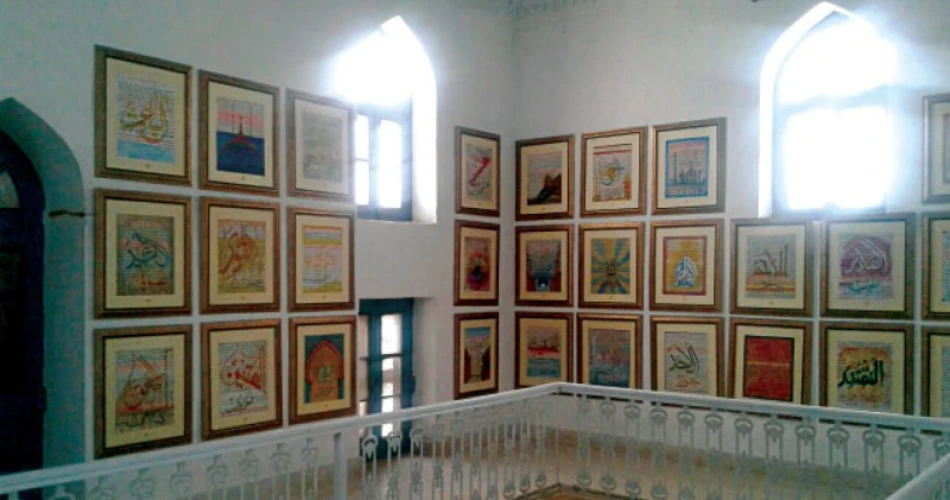
To experience both landmarks fully, proper planning is essential. Start your day early so you have ample time to explore the Bahawalpur Museum in detail. Allocate at least two hours to view its galleries and exhibits, especially if you’re interested in archaeology or Islamic art. Hiring a local guide can enhance your visit, as they provide context and explain the stories behind each display.
Next, head to the Central Library Bahawalpur, located near the city’s key administrative and cultural spots. Spend an hour or two browsing the reading halls and admiring its magnificent architecture. If you’re a researcher or student, inquire about access to rare manuscripts or archival collections—registration at the entrance may be required.
Best visiting season: October to March, when the weather is cooler. Summers in Bahawalpur are extremely hot, so dress in light, breathable clothes and stay hydrated. Since both locations are in the heart of the city, they can be combined with visits to nearby attractions such as Noor Mahal, Derawar Fort, and Lal Suhanra National Park for a well-rounded Bahawalpur tour. Carry a camera to capture the architecture, but always check photography rules, especially in restricted museum galleries.
Conclusion
The Bahawalpur Museum and Central Library are more than just historical sites; they are living institutions that continue to educate, inspire, and connect people to their heritage. The museum invites you to step into centuries of cultural evolution, from ancient civilizations to modern-day Pakistan, while the library opens a gateway to scholarly treasures and timeless literature.
Visiting these landmarks is a rewarding experience whether you’re a student, historian, traveler, or simply a curious soul. They embody Bahawalpur’s legacy as a city that values both wisdom and beauty. A trip here leaves you with more than just photographs—it leaves you with knowledge, perspective, and a deeper appreciation for Pakistan’s rich cultural fabric.